

 sumitbhardwaj755
✨ Gold: The Timeless Treasure of Humanity
Since the beginning of civilization, one metal has captured human imagination like no other—gold. Empires have risen and fallen in search of it. Kings have worn it as a symbol of power. Families have treasured it for generations. From ancient temples to modern banks, gold has remained a shining symbol of wealth, beauty, and security. Even today, when the world is driven by digital money and technology, gold continues to hold a special place in human life.
What is Gold?
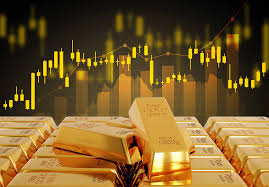
Gold is a natural chemical element with the symbol Au, which comes from the Latin word Aurum, meaning “shining dawn.” It is a bright yellow metal found deep inside the earth. Gold is considered a precious metal because it is rare, valuable, and highly desired across the world.
Gold has several unique properties that make it special:
-
Durability: Gold does not rust or decay over time.
-
Non-corrosive nature: It does not react easily with air or water.
-
Malleability: Gold is extremely soft and can be shaped into thin sheets or fine wires. In fact, it is one of the most malleable metals known.
-
Conductivity: Gold is an excellent conductor of electricity, making it useful in electronics.
Because of these qualities, gold has remained valuable for thousands of years.
The Rich History of Gold
Gold’s story begins in ancient times. Civilizations like the ancient Egyptians considered gold to be the “metal of the gods.” Pharaohs were buried with golden masks, jewelry, and treasures because gold symbolized eternal life and divine power.
In India, gold has always been deeply connected to culture and tradition. It has been used in weddings, festivals, and religious ceremonies for centuries. Families pass down gold jewelry from one generation to another as a sign of prosperity and blessings.
Gold was also used as currency in many ancient societies. Coins made of gold were accepted across kingdoms and empires. Because gold was rare and did not spoil, it became a trusted form of money. Over time, gold became a universal symbol of wealth, status, and success.
Modern Uses of Gold
Even in today’s advanced world, gold remains highly important.
Jewelry and Ornaments
The most common use of gold is in jewelry. Rings, necklaces, bangles, and earrings are made from gold because of its shine and beauty. In countries like India, gold jewelry is not only decoration but also an investment and a part of cultural tradition.
Investment Options
Gold is also a popular investment. People buy:
-
Gold bars and coins
-
Digital gold
-
Gold Exchange-Traded Funds (ETFs)
During times of economic uncertainty, many investors turn to gold because it is considered a “safe haven” asset. When stock markets fall, gold often holds its value.
Industrial Uses
Gold is not only for beauty and investment. It plays an important role in technology. Because it conducts electricity well and does not corrode, it is used in mobile phones, computers, and other electronic devices. Gold is also used in medical treatments and dental work due to its safe and non-reactive nature.
Why is Gold So Valuable?
Several factors make gold valuable.
First, gold is rare. It is not easily found in large quantities. Mining gold requires time, effort, and cost.
Second, there is high demand for gold worldwide—for jewelry, investment, and industry.
Third, gold is influenced by the global market. Its price is connected to international trade, currency values, and economic conditions.
Finally, gold is considered a safe investment during economic crises. When inflation rises or currencies lose value, people buy gold to protect their wealth. This trust keeps gold valuable even in difficult times.
Types of Gold and Purity
Gold comes in different purity levels, measured in karats (K).
-
24K Gold: This is 99.9% pure gold. It is bright yellow and soft, usually used for investment purposes like coins and bars.
-
22K Gold: Contains about 91.6% gold mixed with other metals. It is commonly used in jewelry.
-
18K Gold: Contains 75% gold and is stronger, often used in designer jewelry.
When buying gold jewelry in India, hallmark certification is very important. Hallmarking confirms the purity of gold and protects buyers from fraud. It ensures that you are paying for genuine quality.
Gold Prices in India
Gold prices in India change daily. The price depends on many factors such as:
-
International gold market rates
-
Inflation
-
Value of the Indian rupee against the US dollar
-
Demand during festivals and wedding seasons
When the rupee weakens or global demand rises, gold prices usually increase. Similarly, economic uncertainty often pushes gold prices higher because more people invest in it.
Interesting Facts About Gold
-
Gold is so soft that it can be beaten into extremely thin sheets called gold leaf.
-
Almost all the gold ever mined still exists today because it does not rust or decay.
-
Gold is edible in very small amounts and is sometimes used in luxury foods and sweets.
-
The world’s oceans contain gold, but in very tiny amounts that are difficult to extract.
Conclusion: A Treasure That Never Loses Its Shine
Gold is more than just a metal. It is history, culture, science, and security combined in one shining element. From ancient temples to modern technology, gold has proven its importance time and time again. It represents wealth, tradition, and stability in a changing world.
No matter how advanced society becomes, gold continues to hold its value—both emotionally and economically. That is why gold truly remains the timeless treasure of humanity.
